Direct answer: To tackle the persistent issue of no-shows at your restaurant, implement these seven tactics ranked by effort and impact. Strategies like reminder texts and requiring deposits can drastically reduce your no-show rates and improve your bottom line. Start with the easiest and most impactful methods this week.
1. Automated reminders (High Impact, Low Effort)
Sending automated reminders via text or email can significantly reduce no-shows. Studies show that reminder messages can cut no-shows by up to 30%. Set up a system to send reminders 24-48 hours before the reservation, and you’ll likely see a notable decrease in missed bookings.
2. Require deposits for large parties (High Impact, Medium Effort)
For reservations of six or more, consider requiring a deposit. This tactic can deter casual bookings and ensure that guests are more committed. For example, if your average check is $50 per person, a $10 deposit per person can secure $60 from a party of six. If just two large parties decide to keep their reservation due to the deposit, that's a guaranteed $120.
3. Implement a waitlist system (Medium Impact, Medium Effort)
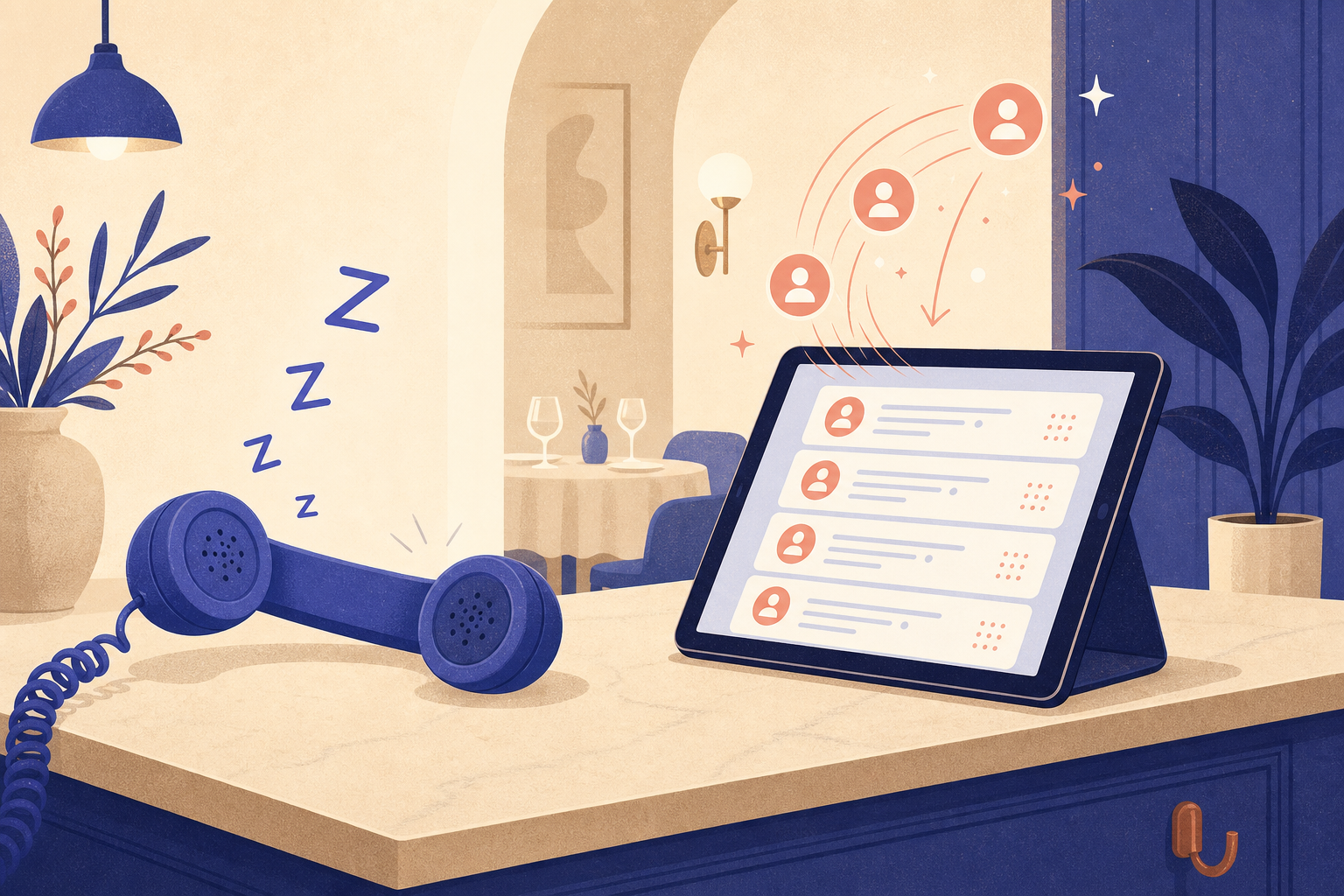
A well-structured waitlist system can help fill tables that would otherwise go empty due to no-shows. If you have a table for four that would have been no-showed, but you can fill it from the waitlist, you maintain your revenue. Using a platform like EateryHub can automate this process, allowing you to focus on service rather than managing the list manually.
4. Overbooking strategy (Medium Impact, High Effort)
Consider overbooking your reservations based on historical no-show rates. If you know that 10% of your reservations typically do not show, you can overbook by that percentage. For a Saturday night with 100 seats and an average of 10 no-shows, scheduling 110 reservations can help fill your tables. Just be cautious to manage customer expectations if they arrive at peak times.
5. Guest profiles and history tracking (Medium Impact, Medium Effort)
Creating guest profiles allows you to track no-show patterns. If a guest has a history of no-shows, you can either require a deposit for future bookings or limit their reservation options. This approach personalizes the experience and encourages accountability.
6. Clear cancellation policies (Low Impact, Medium Effort)
Make sure your cancellation policy is clear and visible during the booking process. If guests know they’ll incur a fee for late cancellations or no-shows, they may think twice before skipping their reservation. A straightforward policy can help set expectations and reduce no-shows.
7. Incentives for showing up (Low Impact, Low Effort)
Offering small incentives like a complimentary appetizer or dessert can encourage guests to keep their reservations. While this may not have a significant impact, it fosters goodwill and can enhance the dining experience, potentially leading to repeat business.
Summary Table: Tactics Ranked by Effort and Impact
| Tactic | Impact Level | Effort Level |
|---|---|---|
| Automated reminders | High | Low |
| Require deposits for large parties | High | Medium |
| Implement a waitlist system | Medium | Medium |
| Overbooking strategy | Medium | High |
| Guest profiles and history tracking | Medium | Medium |
| Clear cancellation policies | Low | Medium |
| Incentives for showing up | Low | Low |
Key Takeaways
- Automated reminders can cut no-shows by 30%.
- Requiring deposits for large parties can secure revenue.
- A waitlist system helps fill tables left empty by no-shows.
Frequently Asked Questions
What is the average no-show rate for restaurants?
Average no-show rates can range from 10% to 30%, depending on the restaurant type and location.
How can I implement a waitlist effectively?
Use a reservation platform that automates the waitlist process, allowing easy communication with guests and quick table management.
Are deposits necessary for all reservations?
Deposits are generally recommended for larger parties where the risk of no-shows is higher, but it can also depend on your restaurant's policy and clientele.