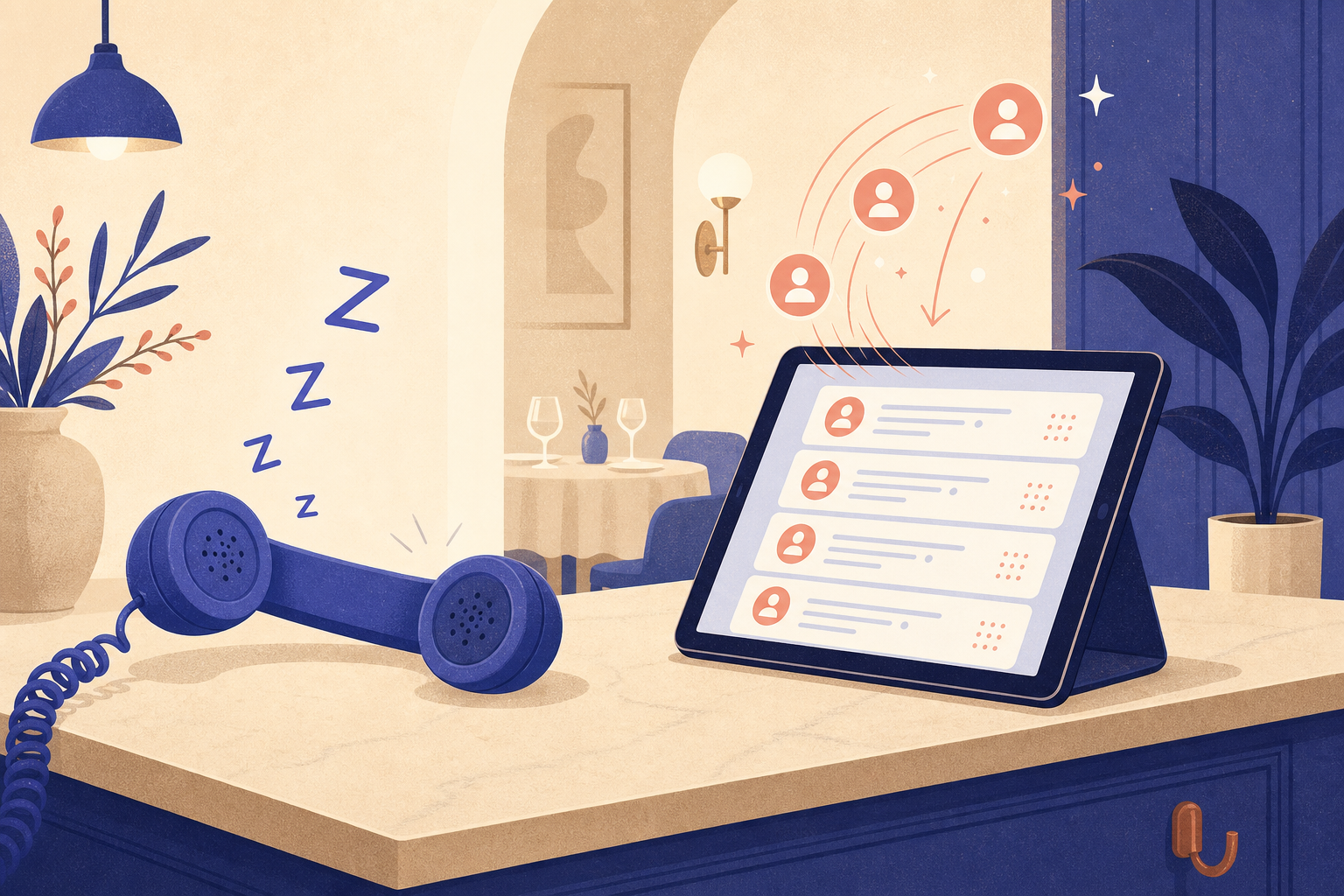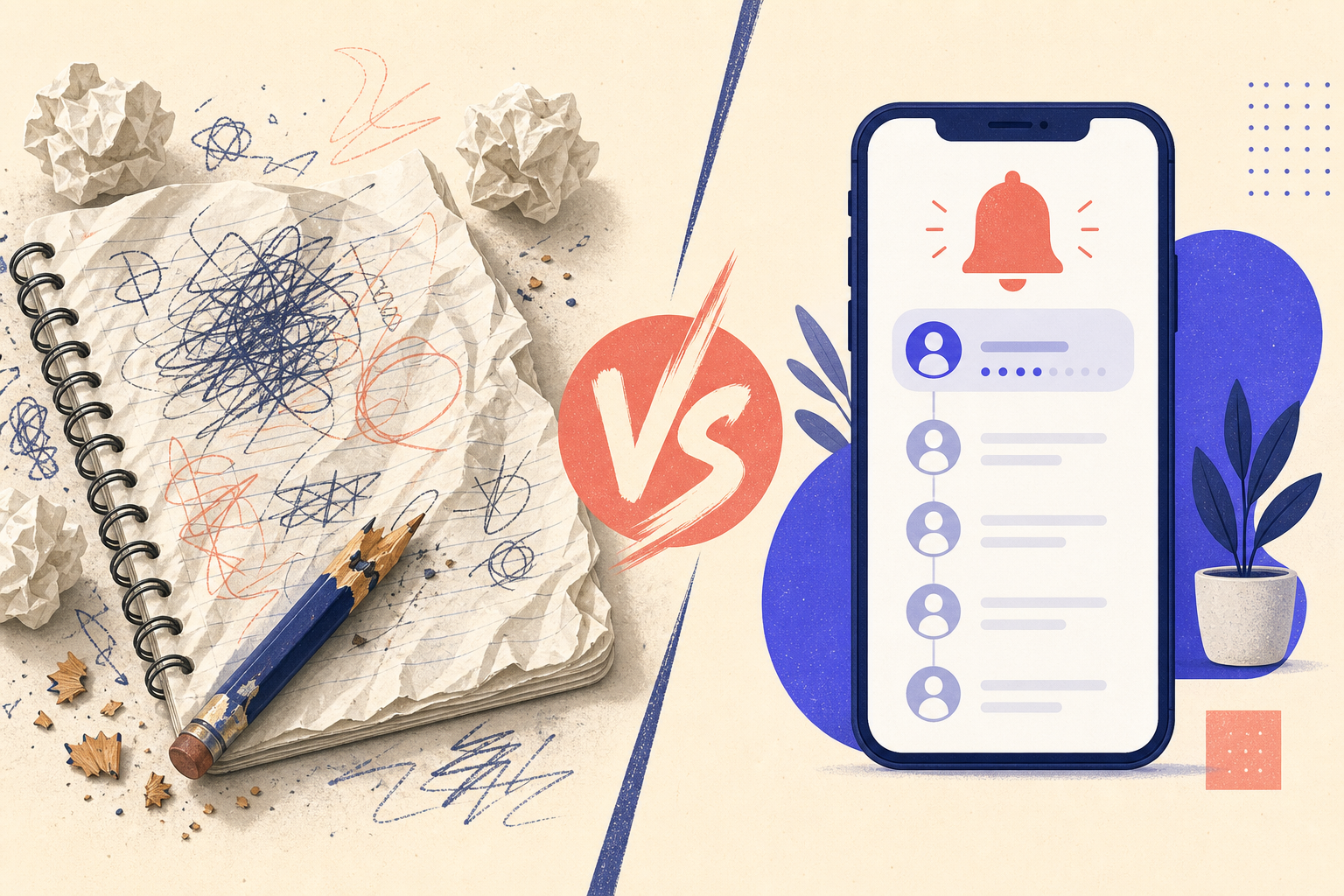
Direct answer: Using a waitlist app on busy nights can significantly enhance your restaurant’s efficiency and profitability compared to pen and paper methods. By streamlining customer management, reducing lost walk-ins, and enabling SMS notifications, restaurants can optimize operations and improve guest experiences, directly impacting revenue.
The Busy Night Dilemma
Every restaurant owner knows the chaos of a busy night. Guests are arriving, tables are turning over, and managing the waitlist can feel like juggling flaming torches. Traditional pen and paper methods can lead to confusion, lost reservations, and missed revenue opportunities. Let’s break down the differences between using a waitlist app and the old-school method.
Lost Walk-Ins: The Hidden Cost
Lost walk-ins can be a significant revenue drain for restaurants. For instance, if you have an average check of $50 per table and you lose 5 walk-ins on a busy night due to mismanagement, that’s a potential $250 in lost revenue.
Example Scenario
- Busy Night: 50 guests arrive but only 45 are seated due to mismanagement.
- Lost Revenue Calculation: 5 lost walk-ins x $50 average check = $250 lost.
With a waitlist app, you can capture these walk-ins digitally. Guests can add themselves to the waitlist via their smartphones or a kiosk, ensuring that you don’t miss out on potential diners.
Efficiency and Time Management
A waitlist app can significantly reduce the time spent managing the waitlist. Let’s say it takes an average of 1 minute to write down a guest's name and party size on paper. If you have 20 parties waiting, that’s 20 minutes of your staff’s time dedicated to just writing.
With a Waitlist App:
- Entering the same information could take 10 seconds per party.
- Total time spent: 3.3 minutes for 20 parties.
Time Saved:
- 16.7 minutes of staff time that could be spent serving customers or preparing food.
SMS Notifications: Keeping Guests Informed
One of the standout features of waitlist apps is the ability to send SMS notifications. When a table is ready, a quick text can be sent to guests, reducing the need for them to hover around the entrance or check in repeatedly.
Benefits of SMS Notifications:
- Improved Guest Experience: Guests appreciate not having to wait at the door.
- Increased Table Turnover: When guests are informed via SMS, they can arrive just in time, allowing you to seat them quickly.
If you seat an additional 2 tables per hour because guests are informed promptly, at an average check of $50, that’s an extra $100 per hour in revenue.
Side-by-Side Comparison
| Feature | Waitlist App | Pen and Paper |
|---|---|---|
| Ease of Use | High | Low |
| Speed of Entry | Fast (10 sec/party) | Slow (1 min/party) |
| SMS Notifications | Yes | No |
| Lost Walk-Ins | Minimal | High |
| Guest Experience | Enhanced | Frustrating |
| Staff Time Efficiency | High | Low |
Conclusion
Switching to a waitlist app can save time, reduce lost walk-ins, and improve overall efficiency on busy nights. With the potential to increase revenue by keeping guests informed and seated quickly, it’s a change worth considering.
For restaurants looking to implement a waitlist system, consider options like EateryHub, which offers features like automated waitlists and SMS notifications to streamline your operations and enhance guest experiences.
Key Takeaways
- Waitlist apps reduce lost walk-ins, potentially saving hundreds in revenue.
- SMS notifications improve guest experience and table turnover.
- Switching from pen and paper to a digital system increases operational efficiency.
FAQ
What is a waitlist app?
A waitlist app is a digital tool that allows restaurants to manage customer waitlists electronically, improving efficiency and guest experience.
How do SMS notifications work for waitlists?
When a table is ready, the app sends an automated SMS to the guest, notifying them to return to the restaurant.
Can I still take walk-ins with a waitlist app?
Yes, most waitlist apps allow guests to add themselves to the list, ensuring you capture walk-ins efficiently.
Is it difficult to switch from pen and paper to a waitlist app?
No, most waitlist apps are user-friendly and require minimal training for staff.